
From nausea on the subway to managing meds between school drop-offs—here’s the real-life lowdown on GLP-1 side effects, plus what parents should know about kids and teens.
At a Glance:
- GLP-1 medications are widely used for weight loss and diabetes.
- Most common side effects are nausea, vomiting, and digestive issues. Serious complications are rare, but possible.
- 10–15% of people may not respond at all, which means you may have GLP-1 side effects without losing weight.
- These medications are now being used in children and teens with caution and under medical supervision.
From conversations at playgrounds in Brooklyn to wellness chats in Westchester group texts, GLP-1 medications—like semaglutide—have become part of everyday parenting discourse. Originally designed for type 2 diabetes, these medications mimic a hormone that regulates appetite and slows digestion. The result? Reduced hunger, smaller portions, and often, weight loss.
For busy parents juggling careers, caregiving, and everything in between, that promise is compelling, but the reality is more nuanced. Here’s what you need to know about GLP-1 medications and their side effects.
Psst… Check Out: Moms, Are You Getting the Right Health Screenings? Find Out What You Need at Every Age
The Most Common GLP-1 Side Effects (And Why They Happen)
Let’s start with what’s most likely. Across multiple clinical studies, the most common side effects are gastrointestinal: nausea; vomiting; diarrhea; constipation; or abdominal discomfort. These happen because GLP-1s slow stomach emptying and affect appetite signals in the brain.
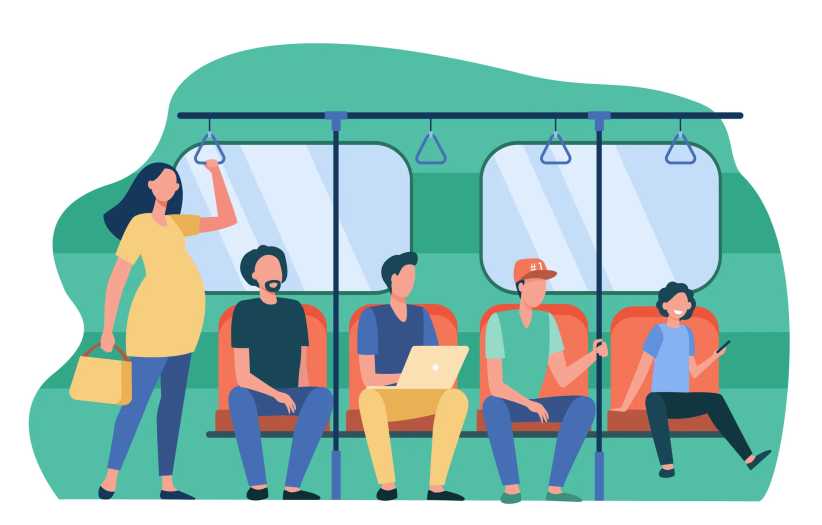
Research consistently shows these symptoms are the most frequent, with nausea and vomiting leading the list. For “mere mortals,” that might look like feeling queasy during a packed subway commute; struggling to eat enough between errands; skipping meals—and then feeling drained later.
How Side Effects Show Up in Real Life?
Clinical trials are one thing. Real life is another. A large-scale analysis of patient experiences found that over 40% of users reported at least one side effect, with nausea, heartburn, and fatigue among the most common. And here’s where it hits harder for parents:
- Fatigue on top of already low sleep
- Digestive issues during long days out with kids
- Reduced appetite when you actually need energy (aka food fuel!)
- Even mild symptoms can feel amplified when your day doesn’t pause.
Are GLP-1 Side Effects Dangerous?
For most people, no—but they’re not nothing. Research shows that while gastrointestinal side effects are common, serious complications are rare. Still, doctors flag potential risks, including pancreatitis, gallbladder issues, or blood sugar complications (especially with other meds). The takeaway: these medications are generally safe but require medical oversight every step of the journey.
Why Do Some People Stop Taking GLP-1s Early?
One of the biggest surprises? Many people don’t stick with them. Side effects, lifestyle friction, and slow results can all play a role. And for moms, consistency is often the hardest part. Because if something disrupts your already tight routine, even slightly, it can feel unsustainable.
What About People Who Don’t Lose Weight at All?
Here’s the part not talked about enough. Studies and clinical observations suggest that about 10–15% of people are “non-responders”, meaning they experience little to no weight loss. Even more frustrating? Some still experience side effects. Researchers point to several reasons, including but not limited to genetic differences, hormonal and metabolic variability, and difficulty reaching effective doses.
In short: your body may not respond the same way someone else’s does, and that’s not a failure—it’s biology!
GLP-1s for Kids and Teens: What Parents Need to Know
This is where the conversation gets more complex and more emotional. GLP-1 medications are now being prescribed to adolescents with obesity or type 2 diabetes, and usage is rising quickly. One study found a 600% increase in prescriptions among young people between 2020 and 2023. The biggest concern, though: are they actually approved for kids?
Yes—some GLP-1 medications are approved for adolescents (typically ages 12+), and major medical groups have begun to support their use in certain cases. But experts emphasize that this is not a first-line solution.
What the Research Says About Safety in Kids
Clinical studies show that GLP-1s can help reduce weight and improve metabolic health in children and teens. However, the side effects look very familiar: nausea, vomiting, and/or gastrointestinal discomfort. These side effects are more common in kids taking the medication compared to placebo. Another research confirmed that while the medications are effective, digestive side effects remain the most frequent issue.
GLP-1 Side Effects: What Experts Are Still Figuring Out
Here’s the bottom line: long-term effects are still unknown. Because these medications are relatively new for younger populations, researchers are still studying:
- Impact on growth and development
- Long-term metabolic effects
- Psychological and behavioral outcomes
That uncertainty is why many pediatric specialists recommend starting with lifestyle interventions first; using medication only when medically necessary and monitoring closely over time. In a world where kids are already navigating academic pressure, social dynamics, and screen-heavy lifestyles, adding medication into the mix is a big decision.
For parents in general, it’s not just about weight; it’s about emotional well-being, body image, and long-term health habits. GLP-1s may be helpful for some families—but they’re not a quick fix. Whether it’s for you or your child, GLP-1 use isn’t just physical; it’s mental and emotional. For moms, especially, there’s pressure to “bounce back” postpartum; pressure to model health for your kids… Pressure to get it right. So, when side effects hit—or results don’t—it can feel deeply personal.
GLP-1 medications can be powerful, there’s no doubt about that. And you can literally see walking proof everywhere you look—from success stories on social media to the neighbor next door. But the truth, they come with trade-offs: physical side effects, emotional considerations, going over budget if you don’t have insurance, and sadly, for some, no results at all.
If you’re considering them (for yourself or your child) go in informed, supported, and realistic. Because in the middle of school runs, subway delays, and everyday life in New York City, the goal isn’t just weight loss—it’s feeling well enough to keep up with your life.
Psst… Check Out 3 Inspiring Mom Runners from Westchester, LI & NJ Who Are Conquering NYC Marathons