
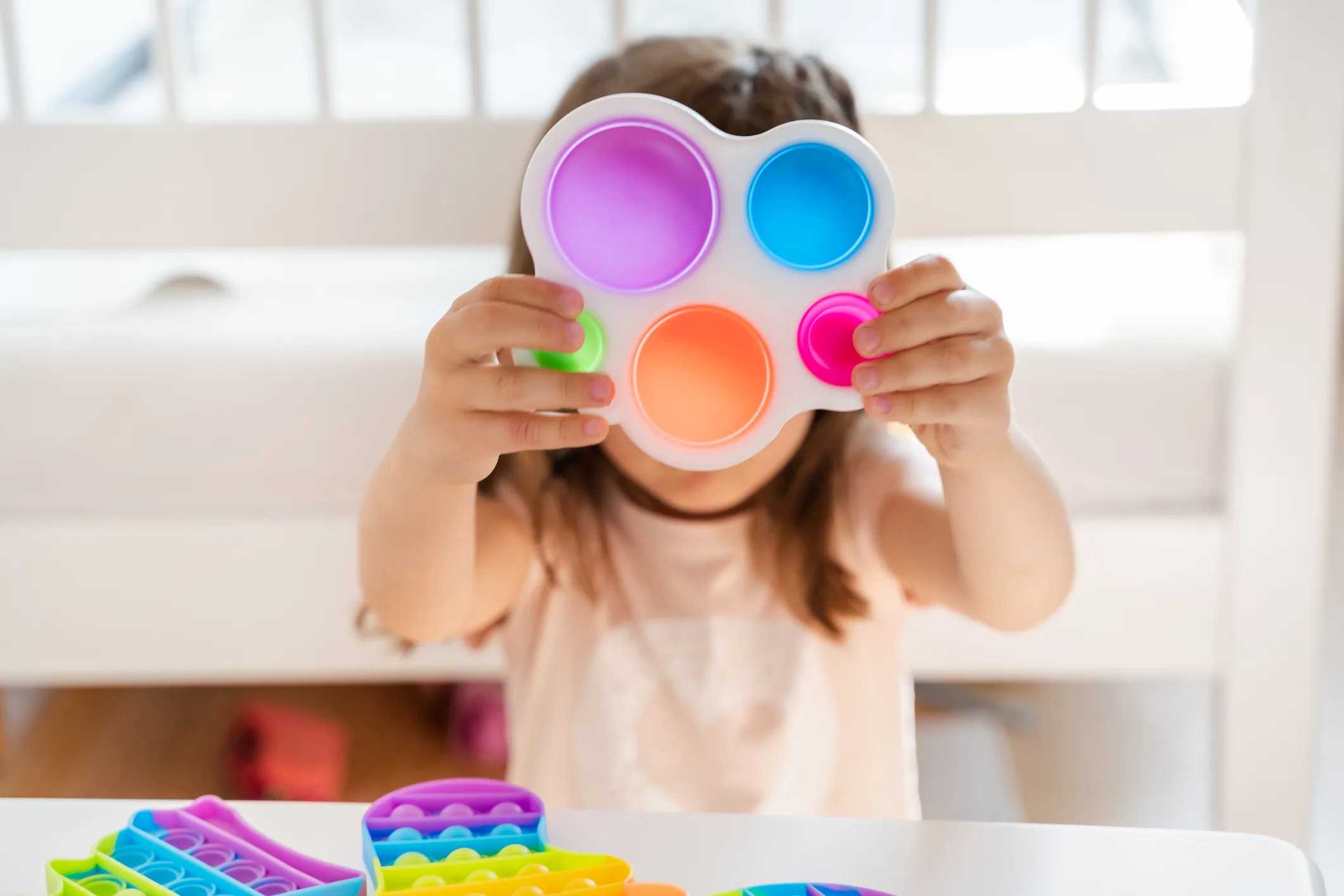
This roundup includes expert-recommended and parent-approved sensory toys for autism and special needs kids, with real-world reasons why each one might be helpful to your child.
At a Glance:
- Sensory toys for autism are a category of its own. As a parent, try matching the toy to the child’s sensory needs—whether they seek stimulation (sensory seekers) or prefer gentler input (sensory avoiders).
- In this age of technology, don’t forget to read reviews! Real parent feedback can highlight what works (and what doesn’t) for sensory needs.
Parenting a child with sensory needs (including autism, SPD, ADHD, and tactile sensitivities) often means you’re on a relentless hunt for tools that actually work. Sensory toys for autism or special needs aren’t just “fun.” They can be regulation anchors, focus aids, calming tools, communication supports, and skill builders, while helping children organize input from sight, touch, movement, and sound—something especially valuable for neurodiverse kids.
If you’re in the market for the best sensory toys for autism and special needs kids, we’ve got you covered.
Psst… Check Out 12 Adorable Quiet Play Ideas for Kids That Encourage Calm, Creativity & Confidence
Sensory Toys for Autism and Special Needs Families: Fun & Regulation
ONO Roller Aluminum
Price: Starting at $35 per roller
A highly rated palm roller that is silent, satisfying, and portable. The smooth motion and weight of the aluminum design provide proprioceptive feedback, perfect for children (and adults!) who benefit from repetitive, calming hand movement without distracting noise. Great for classroom focus or overwhelmed moments at home.
3D Printed Fidget Toys
Price: $16 (you can lots of options on Amazon and Etsy)
This set delivers variety: clicking, spinning, flipping, and bending fidgets in one bundle. Different textures and movements can engage children’s tactile preferences and help sustain focus or provide sensory input during transitions or waiting times. It comes in several colors and shapes, while helping children discover what type of sensory feedback is most grounding for them.
Morf Fidget Worm
Price: $13
Soft, flexible, and endlessly twistable, this fidget worm provides sensory input without overwhelming stimulation. Its quiet feel and lightweight design make it a good tool for both calming and concentration; it also supports focus and reduces anxiety on the go.
NeeDoh
Price: Starting at $4
Both fuzzy-textured and jelly-style NeeDoh toys offer satisfying squeeze-and-release sensory experience many kids crave. These are easy to throw in backpacks, take to appointments, or keep at a calm-down corner. Squishy textures provide tactile input and stress relief, especially useful when a child feels overwhelmed.
Crayola Goo All-in-1 Galactic Sensory Station
Price: $20
A creative sensory play station that combines tactile exploration with imaginative play. Kids can mix slime with special textured add-ins (moon confetti, beads), which engages touch, fine motor skills, and visual attention. Messy play with structure offers deep tactile stimulation and can be calming for many sensory seekers.
Calming, Multi-Textured Sensory Kits
Available at Amazon, Etsy, Walmart, and Autism-focused stores
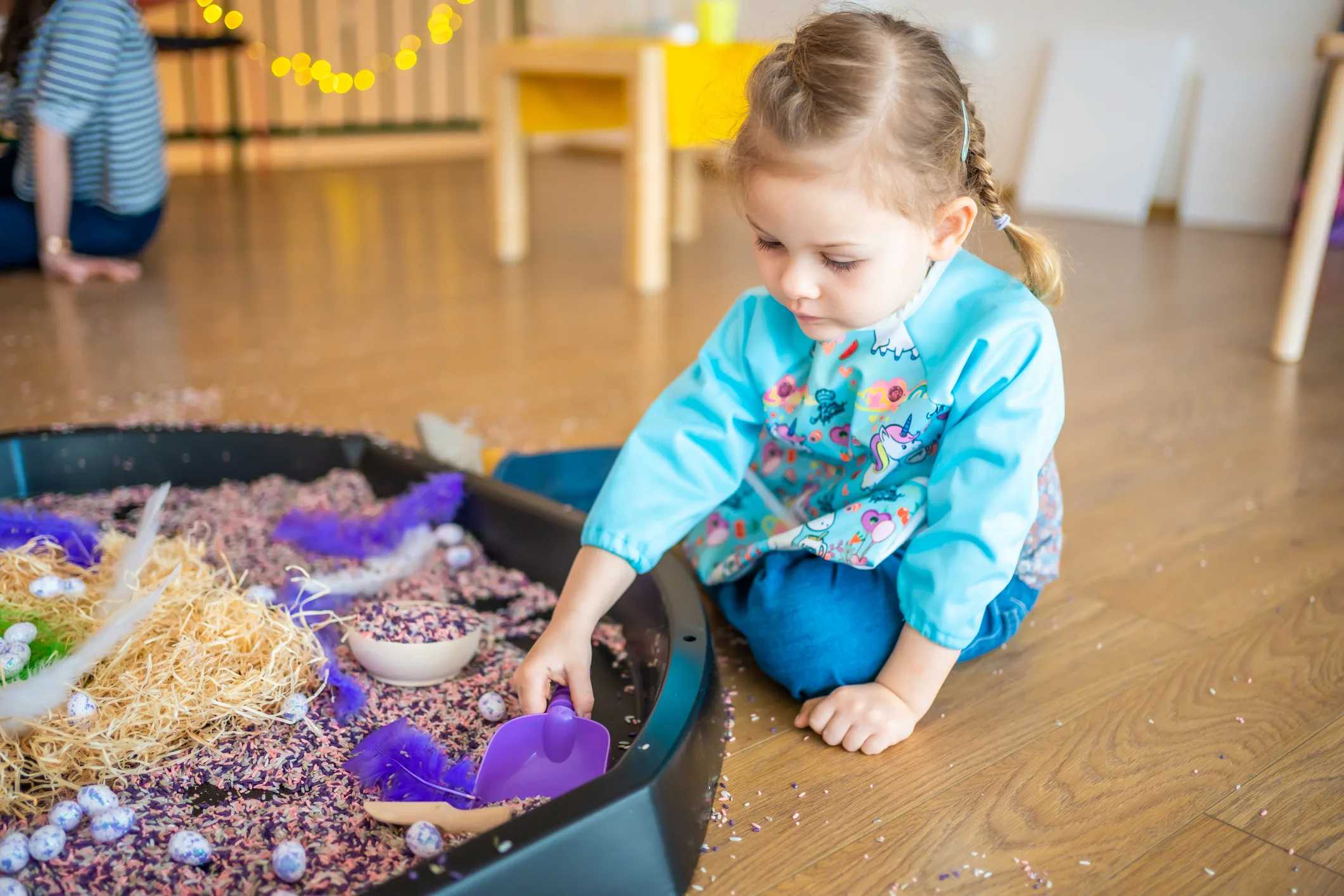
A curated kit brings a variety of tactile items together—everything from textured scoops to sensory rice and mini objects—for free exploration. Great for creating a sensory bin at home or carrying multiple textures in one bag. Providing kids with a variety in one box helps them self-discover what feels soothing or stimulating, building self-regulation over time, and the best part? It can easily fit in any budget.
Hand2Mind My Feelings Rainbow Fidget
Price: $21
This double-sided sensory tube uses flowing liquids and color to represent emotions visually. Watching the liquid cascade helps with emotional identification and calming through visual tracking. Visual sensory input can be grounding for children who prefer patterns, predictable movement, and calming visuals.
Abilitations Inflatable PeaPod Medium
Price: $130
This inflatable PeaPod is designed for deep, even pressure; a form of sensory input that many kids with autism and sensory processing needs find stabilizing. Inside, children can rock gently or simply settle in a “cocoon-like” environment. It supports regulation, reduces anxiety, and provides comfort in overstimulating moments.
Sensory Toys for Special Needs Kids: FAQs
How do sensory toys for autism and special needs kids help them?
Sensory toys aren’t one-size-fits-all, but they do share some common therapeutic benefits: self-regulation. Repetitive, predictable motion or texture contact helps calm overactive nervous systems and reduce stress.
What do I need to look for in sensory toys for special needs kids?
Look for toys that can provide focus and attention (tools like fidgets and rollers); emotional expression (such visual sensory toys, like rainbow tubes); motor skill support (different textures and objects) and safe stimulation (try to find sensory toys that offer tactile feedback without overwhelming sound or bright lights, which is helpful for kids sensitive to sensory overload).
What to avoid when it comes to sensory toys for autism and special needs children?
Always check materials. Look for non-toxic, BPA-free, and well-sealed toys, especially if your child mouths objects, and supervise kiddos when they’re playing with small parts—kits with small pieces (like sensory rice) should be used with adult supervision.
And of course, avoid items with known hazards; recent safety concerns have led to recalls of certain gel bead products marketed to kids, and do not place them in the microwave to sterilize them, as this can lead to explosions.
Psst… Check Out Mattel Unveils First Autistic Barbie Doll: What It Means for Kids and Families