

Raising highly sensitive children is a blessing in disguise—one of the hardest lessons as parents, but one that can be absolutely lifechanging.
At a Glance:
- Highly sensitive children aren’t weak or fragile. It just means they’re perceptive to reactions, circumstances, and feelings in a deeper way.
- Early support and expert guidance do not label your child; it helps them and gives them some tools to start with.
- Lead by example. Parents who know how to regulate their emotions, in a way, have an advantage when dealing with highly sensitive kiddos.
If your child cries at loud birthday parties, melts down after school, notices every subtle shift in your mood, or asks big questions that seem far beyond their years, you may be parenting a highly sensitive child. If you are, you’ve likely heard that “they’ll toughen up” at some point. But here’s what many parents quietly discover: highly sensitive children don’t need to toughen up. They need to be understood.
In general, children are thought to have a more sensitive nervous system. That sensitivity isn’t a flaw; it’s a temperament trait. These kids often feel deeply, think deeply, and process the world in a richly layered way. The challenge is that their nervous systems can become overwhelmed more easily.
Parenting highly sensitive children requires patience. It’s less about fixing behavior and more about building regulation skills—gently, consistently, and with respect for how their brains are wired.
Psst… Check Out 12 Adorable Quiet Play Ideas for Kids That Encourage Calm, Creativity & Confidence
Understanding What “Highly Sensitive Children” Really Means
Before diving into strategies, it helps to clarify what high sensitivity is and what it isn’t. A highly sensitive child may:
- Be deeply empathetic and emotionally intuitive
- React strongly to loud sounds, scratchy clothing, or crowded spaces like airports or public events
- Need extra time to warm up in new environments
- Feel hurt by criticism more intensely than peers
- Struggle after long school days due to sensory overload
- Notice subtle details others miss, especially when it comes to emotional reactions or mannerisms
This isn’t the same as anxiety, though the two can overlap. Highly sensitive children have nervous systems that process things and feelings more thoroughly. That depth is often a gift, but it requires skillful support. The goal, as parents, isn’t to eliminate sensitivity from their personality. It’s to teach your child how to live comfortably inside it.
Parenting Strategies for Highly Sensitive Children: Help Them Build Resilience
Validate First, Problem-Solve Second
When your child is overwhelmed, your instinct may be to reason with them. But logic doesn’t land when the nervous system is overwhelmed. So, start with validation: “That was really loud in there;” “It makes sense that your feelings got hurt”; “You had a big day. Your body looks tired.” Perhaps my personal favorite, and one that I use often with my daughter: “It’s okay; you are just tired and overstimulated”.
Validation doesn’t mean you agree with every reaction. It means you acknowledge the experience. Once your child feels understood, their nervous system begins to settle, and then problem-solving becomes possible.
Create Predictable Transitions for Highly Sensitive Children
Highly sensitive children struggle most with sudden shifts like leaving the house, ending screen time, walking into a new classroom, or meeting new people. Transitions may be hard for them, so the best approach would be to build some predictability: give 10-minute and 5-minute warnings; use visual schedules for younger kids (we have a fridge calendar and a household chore list, so my kids are aware of what needs to be done), or rely on small rituals, like a goodbye hug routine or quick breathwork when you wait for the school bus.
Build a “Decompression Ritual” After School
Many sensitive children appear “fine” all day and then unravel at home. This isn’t manipulation, it’s a nervous system release in their safest space. Instead of jumping straight into homework or questions, offer decompression—quiet time alone in their room; a snack in silence; a bath or shower; reading under a blanket or time with headphones and calming music.
Think of it as an emotional pressure release. The more regulated they feel at home, the more resilient they become outside it.
Teach Emotional Vocabulary Early
Highly sensitive children feel deeply but may not yet have the language to describe what’s happening internally. Help them build it! “That sounds like disappointment;” “is that frustration or embarrassment?”; “does your body feel buzzy or heavy right now?.”
When children can name feelings, they are less controlled by them. Emotional literacy is one of the most protective skills you can offer. This can also apply to parents, but that’s a topic for another time!
Coping Mechanisms That Empower Highly Sensitive Children
Model Regulation Yourself
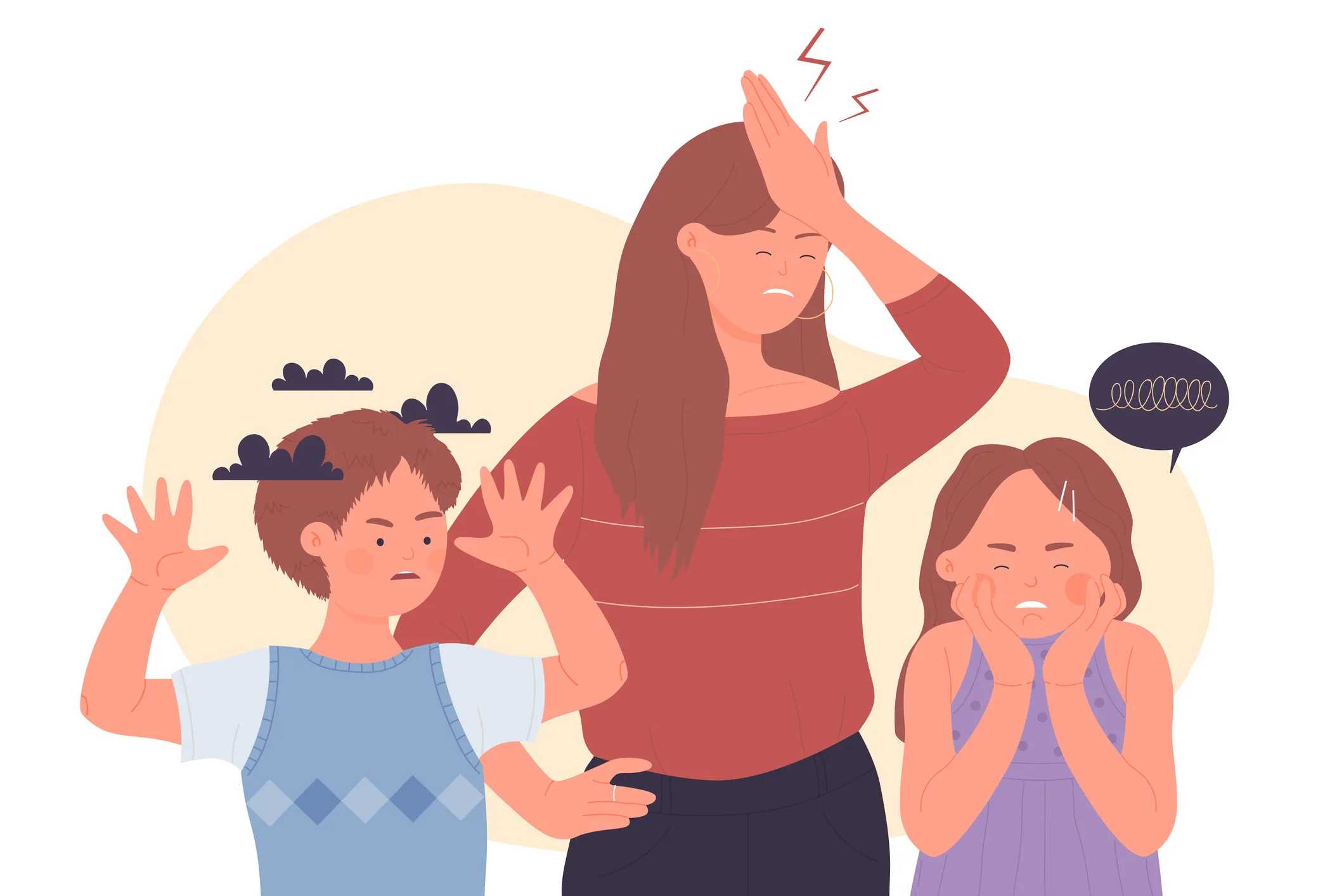
This may be the hardest one. Highly sensitive children are exquisitely attuned to parental tone, facial expression, and stress levels. They often absorb your emotional state before you speak. As a parent, I can assure you it’s been one of the hardest lessons motherhood has taught me, and perhaps one I haven’t mastered yet, but as with everything kids-related, we learn as we go.
When you say, “I’m feeling frustrated, so I’m going to take a few breaths,” you normalize regulation. When you apologize for snapping, you teach repair. Cliche but leading by example is the way to start!
Body-Based Regulation Tools
Coping skills should be practiced when your child is calm, not only during meltdowns. Just as moms need sensory techniques to calm their nervous system, kiddos do so as well. Teach them to slow breath—my daughter and I have this “game” that helps her regulate her emotions: “smell the flowers” and “blow the birthday candle” (as in, inhale and exhale for several times). You can also give them a small sensory object (smooth stone, fidget, soft fabric). Anything to help them stop and focus.
When to Seek Expert Support for Highly Sensitive Children
High sensitivity is not a diagnosis. However, there are times when additional support is important. Sometimes a few sessions focused on coping skills can make an enormous difference. Consider consulting a pediatrician, child psychologist, or therapist if your child:
- Avoids school consistently due to distress
- Experiences panic attacks or severe anxiety
- Has persistent sleep disturbances
- Struggles to maintain friendships
- Shows signs of depression (withdrawal, hopelessness, loss of interest)
- Has frequent meltdowns that interfere significantly with daily life
Parenting a highly sensitive child can feel intense in the early years. You may worry whether the world will be too harsh, too loud, too fast. But many sensitive children grow into deeply compassionate adults. They become thoughtful leaders, creative thinkers, loyal friends, and intuitive partners.
Your role is not to toughen them. It’s to help them understand their wiring and build tools to navigate it. That means patience on hard days or boundaries when needed. Remember, you’re not raising a fragile child, but a perceptive one, and with the right support, that perception can become one of their greatest gifts!
Psst… Check Out How to Calm an Autistic Child During Meltdowns and Burnout