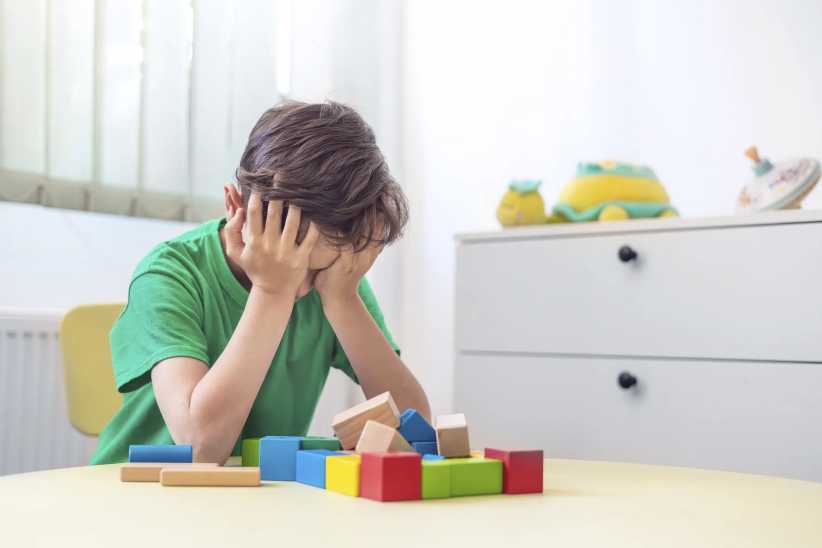

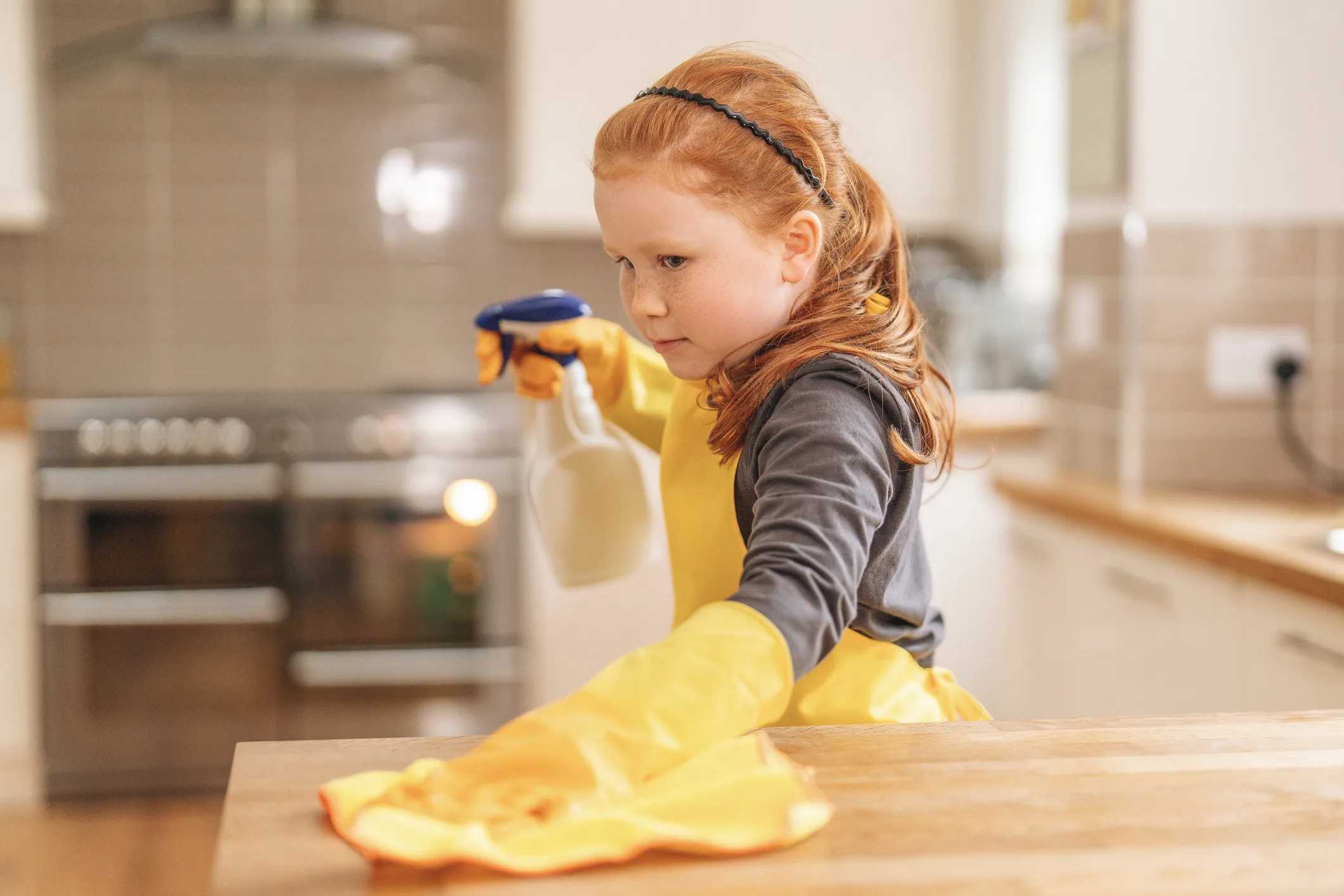
These everyday tasks teach kids something important: they are capable, responsible members of the family.
At a Glance:
- House chores for kids aren’t about perfection. It’s about making them feel useful and part of a team.
- Learning to contribute to the household helps children develop confidence, independence, and essential life skills that will benefit them throughout adulthood.
- Experts say children can begin helping with simple household tasks as early as age 2 or 3, as long as the chores are easy and safe.
- You can rely on visual help, like house chores charts, and any kind of allowance that’s best for your children and your family (it doesn’t have to be money. Maybe an extra hour of screen time or taking them out for a day in the city—anything goes!)
Teaching kids to help around the house isn’t just about keeping the living room tidy—it’s about helping children develop confidence, responsibility, and life skills they’ll use for years to come.
Research shows that kids who regularly participate in household chores often develop stronger organizational skills, independence, and even higher self-esteem. Chores also teach teamwork and help children feel like valued members of the family. The key is choosing age-appropriate chores that are safe and manageable. Even toddlers can help with small tasks, while older kids can take on more responsibility as they grow.
Below is a practical guide to household chores for kids grouped by age, along with tips for helping children learn these skills, plus ideas for adapting chores for kids with sensory sensitivities or special needs.
Psst… Check Out Make Homeschooling and Homework Easier: 6 Practical Tips for a Positive Learning Space at Home
House Chores for Kids: Everyone Can Help at Home!
Chores for Toddlers (Ages 2–3)
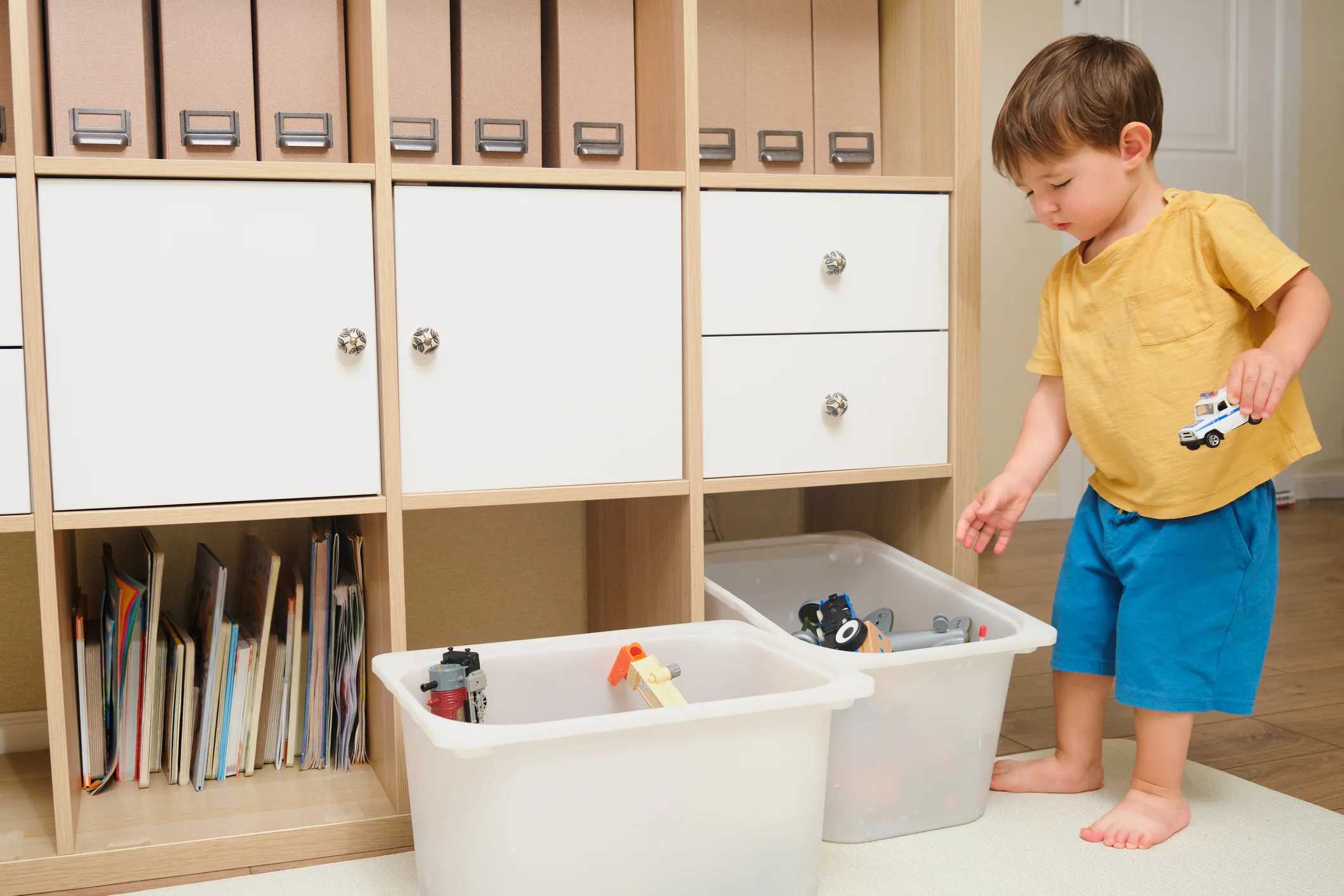
Toddlers love to imitate adults and often want to “help” with whatever parents are doing. At this stage, chores should be very simple and supervised. Small tasks help toddlers develop independence and coordination—even if the job isn’t perfect, the goal is building confidence and routine. Toddler tasks may include:
- Put toys back in bins after playtime
- Place dirty clothes in the laundry basket
- Bring their plate or cup to the sink
- Help wipe spills with a cloth
- Help feed a pet with supervision
- Carry small items to another room
Chores for Preschoolers (Ages 4–5)
Preschoolers can follow multi-step instructions and enjoy feeling helpful. Many kids at this age respond well to chore charts or sticker rewards. Positive reinforcement can help motivate younger kids to complete house chores consistently. These are some age-appropriate examples for kiddos between 4 and 5 years old:
- Make their bed (could be as easy as straightening the blankets or duvet, and fixing pillows)
- Water plants
- Feed pets with supervision
- Help set or clear the table
- Put groceries away in reachable cabinets
- Pick up toys and books
- Help carry light grocery bags
Chores for Early Elementary Kids (Ages 6–8)
School-age children can take on slightly more complex chores and begin caring for their own stuff. At this age, kids start developing a sense of ownership over their personal space and belongings, which helps in keeping everything neat and clean! Some age-appropriate examples include:
- Set and clear the dinner table
- Pack their school lunch with supervision
- Help prepare simple meals
- Put away clean laundry
- Sweep floors or use a small vacuum
- Keep their bedroom tidy
- Sort laundry by colors
Chores for Older Kids (Ages 9–12)
Kids in this age group can handle more responsibility and begin learning basic life skills. Many parents introduce weekly chore lists at this stage, so kids learn to manage responsibilities independently. These are some tasks that they can do:
- Load and unload the dishwasher
- Vacuum rooms
- Take out the trash or recycling
- Help cook family meals
- Put away groceries
- Change bed sheets
- Clean bathroom counters
Chores for Teens (Ages 13–18)
As hard as it is for parents, we need to prepare our babies to fly solo someday. By high school, teens should be able to balance household responsibilities with school and extracurricular activities as preparation for adulthood. Teenagers must gradually begin learning tasks they’ll need when living independently—these chores may include:
- Cooking simple meals
- Doing their own laundry
- Cleaning bathrooms or kitchens
- Mowing the lawn or shoveling snow
- Babysitting younger siblings
- Grocery shopping or running errands
- Managing a weekly chore schedule
House Chores for Kids: How to Get Children to Actually Help

Even when kids are capable of doing chores, getting them to actually do them can be another story. Step by step, mama. A few simple strategies can make a big difference!
Start Small
Introduce one task at a time so children don’t feel overwhelmed. Gradually add more responsibilities as they become comfortable.
Be Specific
Instead of saying “clean your room,” explain exactly what that means. For example: “put toys in the bin;” “place dirty clothes in the hamper,” “let’s put books back on the shelf after we’re done reading them.” Clear instructions help children succeed!
Make It Part of the Routine
Kids are more likely to complete chores when they’re tied to daily habits, like cleaning up toys before bedtime; setting the table before dinner or taking out trash every Sunday night. Routine builds consistency and reduces resistance.
Aim for Consistency, Not Perfection
Young kids especially may not do chores perfectly, so focus on encouragement. Positive reinforcement increases the likelihood that children will continue helping.
Create a Family Chart
Many families—including mine—find it helpful to use tools like weekly chore charts, magnetic fridge checklists, and allowance systems for extra chores. Visual reminders can help children track their responsibilities and feel proud when tasks are completed.
At home, I have a fridge checklist with detailed house chores for each of my kids, including the days that need to be done. While we try to praise and encourage a team dynamic between us, we also have small monetary allowances set monthly to their kiddo debit cards—it hasn’t been easy or cheap, but this has helped tremendously because well, mom can’t do everything by herself!
Chores for Kids with Special Needs or Sensory Sensitivities
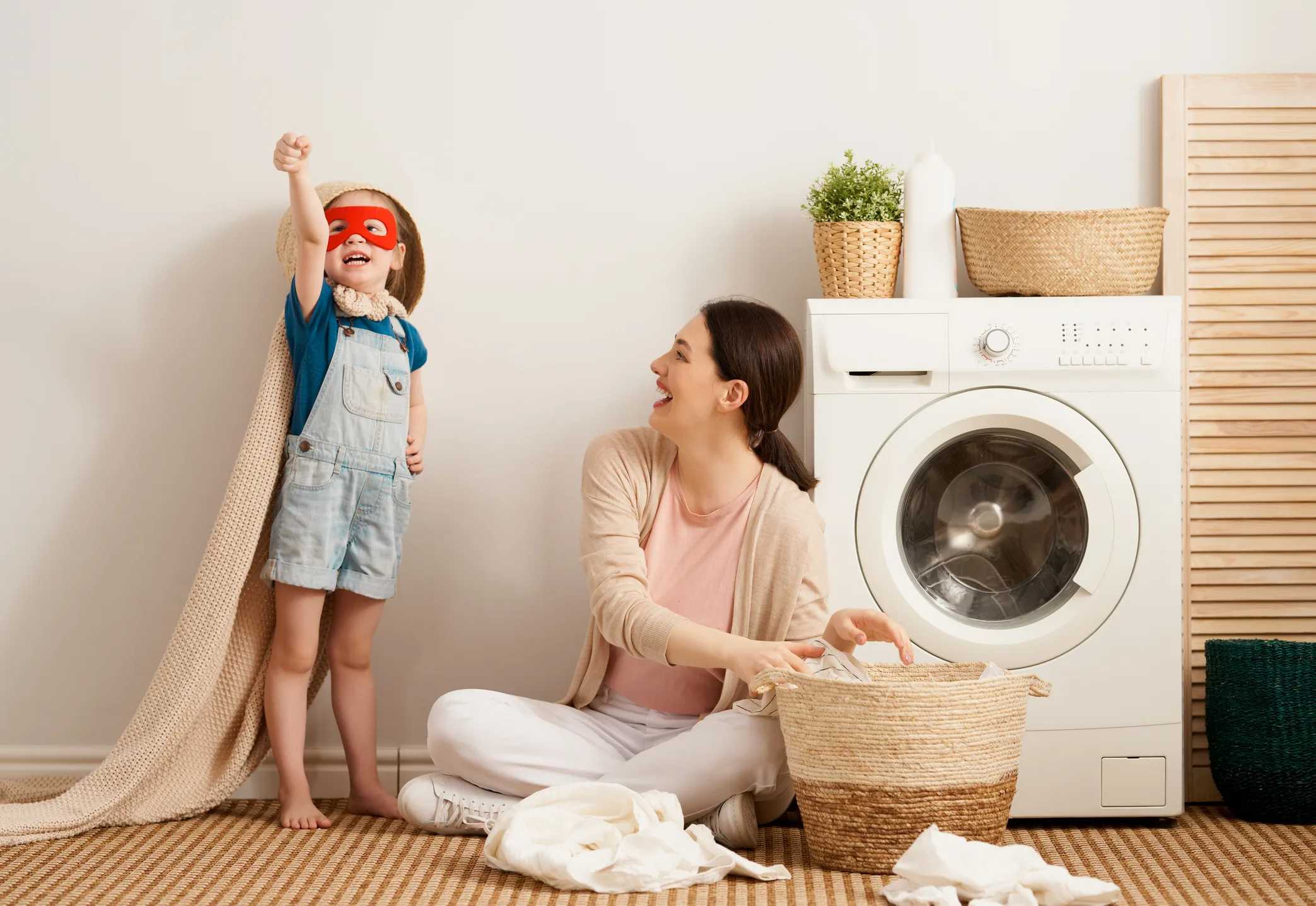
Children with sensory sensitivities, autism, ADHD, or developmental differences can absolutely participate in chores—but tasks may need to be adapted. The goal should be participation and skill-building, not perfection.
Break Tasks Into Small Steps
Instead of “clean your room,” break the task down: “Pick up toys; put clothes in hamper; place books on shelf.” As clear and concise as possible. Small steps help prevent overwhelming feelings or situations.
Use Visual Schedules
Visual charts, picture instructions, or step-by-step cards can help kids understand what to do. These tools are especially helpful for children who process information visually.
Choose Sensory-Friendly Chores
Some chores can be uncomfortable for sensory-sensitive children. Instead of tasks involving strong smells or loud noises, try sorting laundry (especially if the clothes come out of the dryer warm and soft!); watering plants; organizing books or toys by colors or shapes; feeding pets; or matching socks.
Offer Choices
Giving kids options can increase cooperation while making them feel in control. Say, “Would you rather water the plants or help set the table?”.
Focus on Consistency
Children with developmental or sensory needs often thrive on routine. Doing chores at the same time each day can make tasks more predictable and less stressful.
Psst… Check Out 6 Useful Parenting Strategies for Highly Sensitive Children
[sc name=”nyf-newsletter-signup”]