

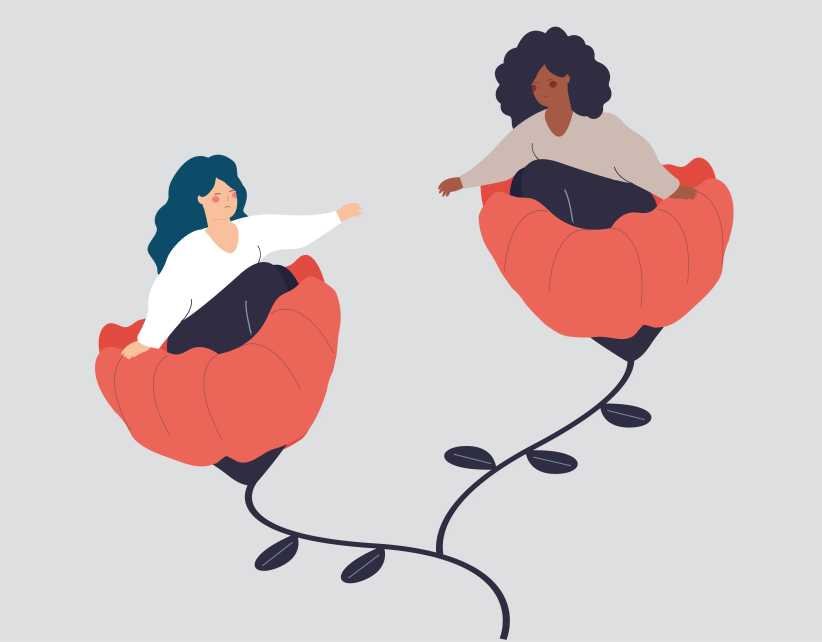
At a Glance:
-
Mom groups often start big and naturally grow smaller over time as lives, kids, and emotional needs change. It doesn’t always mean there was drama.
-
If you leave interactions feeling drained, guarded, or unlike yourself, your nervous system may be telling you something important.
-
Quiet misalignment, changing values, or emotional exhaustion are valid reasons to create distance.
-
A few safe, reciprocal friendships that let you be fully yourself matter more than staying in a group out of obligation.
Psst… Check out Feeling Burned Out? What Every Mom Should Know About Mental Load

Are there signs that it’s time to step back from a mom friend or group?
Yes. And honestly, I think your body usually knows long before your brain is brave enough to admit it.
For me, the first sign is always how I feel after I leave. Do I feel lighter, calmer, more like myself? Or do I feel tight in my chest, overstimulated, second guessing myself, replaying conversations in my head?
I’ve had seasons where I’d drive home from a catch up and just feel flat. Not dramatic. Not angry. Just depleted. And I kept telling myself, “Don’t be dramatic, they’re nice people, this is normal.” But my nervous system was quietly saying, “This doesn’t feel safe or nourishing anymore.”
Another sign is when you start editing yourself. You stop sharing honestly. You soften your opinions. You don’t bring your real life into the room because you don’t want judgment, comparison, or awkwardness. You start performing a version of yourself instead of being yourself.
I also notice it when the energy of a group starts revolving around gossip, comparison, subtle competition, or quiet judgement. You can feel your shoulders go up. Your guard comes on. That’s not connection. That’s stress dressed up as friendship.
And the big one is when you notice your capacity changing. Motherhood changes you fast. Your values shift. Your tolerance for noise, drama, emotional chaos changes. Sometimes the friendship didn’t become unhealthy. You just outgrew the container.
How does a mom know if it’s a rough patch or a deeper mismatch?
This is such an important question because not every uncomfortable season means you should burn the friendship to the ground.
A rough patch still feels repairable. There’s goodwill underneath it. You can have honest conversations. You feel respected even when things feel clunky. The tension usually has a clear reason. Someone’s tired, postpartum, stressed, overwhelmed, going through something real.
A deeper mismatch feels repetitive and draining. You keep having the same internal reaction over and over. Your nervous system never really relaxes around the group. You don’t feel fully safe being yourself. You notice resentment slowly building instead of things repairing.
One of the simplest questions I ask myself is, “Do I feel more like myself or less like myself after being with these people?”
If the answer keeps coming back as less, smaller, tighter, more guarded, that’s information.
Another clue is whether growth is welcomed. If you’re evolving and the environment subtly pushes back through judgement, exclusion, little comments, or eye rolls, that’s often a sign you’ve outgrown the dynamic.
Not every friendship is meant to come with you into every season of your life. That’s actually very normal, even though we don’t talk about it much.
What are healthy reasons for ending a mom friendship or leaving a group?
There are actually so many healthy reasons, even though women are often taught to feel guilty for choosing themselves.
Sometimes the friendship just doesn’t feel emotionally safe anymore. Maybe there’s constant gossip. Maybe there’s subtle judgment. Maybe you leave feeling smaller instead of supported.
Sometimes your values shift. What you care about changes. How you want to raise your kids changes. How you want to spend your emotional energy changes.
Sometimes you realise you’re doing most of the emotional work. You’re always listening, supporting, holding space, but there’s very little coming back to you.
And sometimes you just don’t feel like yourself in the room anymore.
I think a lot of women wait for a big dramatic reason to justify leaving. A fight. A betrayal. A blow up. But quiet misalignment is enough. You don’t need a courtroom level justification to honour your nervous system.
Outgrowing something doesn’t make you cold or disloyal. It means you’re evolving.
The Ashley Tisdale situation was dramatic. In real life, how can this be done more gently?
Most real-life exits don’t need fireworks or speeches.
A lot of the time, gentle distance happens naturally. You say no a little more. You protect your energy. You stop forcing attendance out of obligation. You invest more in the people and spaces where you actually feel calm and supported.
If a conversation is needed, especially in a closer friendship, timing really matters. You don’t do it when you’re activated or emotional. You do it when you’re grounded.
And you keep it simple and kind. You speak from your own experience instead of blaming.
Something like, “I’ve realised I’m in a different season right now and I need to simplify my emotional bandwidth. This isn’t about you doing something wrong.”
You don’t owe anyone a thesis. You don’t need to convince them to agree. You’re allowed to choose your emotional health without running a debate.
What’s the best way to communicate this decision? Direct conversation or gradual distancing?
It really depends on the relationship and how emotionally safe it feels.
If it’s a close friendship where there’s mutual respect and maturity, a gentle honest conversation can actually feel clean and respectful.
If it’s a group dynamic, or a relationship that already feels tense, gradual distancing is often kinder and less inflammatory. Not everything needs a formal ending scene.
I always say, choose the option that keeps your nervous system regulated. If the idea of a big conversation makes your body panic, that’s information. Sometimes, quiet recalibration is the healthiest path.
There is no perfect way to do this. You’re not going to control everyone’s feelings or reactions. Your job is to move with integrity and care.
How can someone manage guilt, anxiety, or fear of judgment afterward?
This is where most women really struggle.
A lot of guilt comes from conditioning. We were taught to keep the peace, manage everyone’s emotions, not disappoint people, not rock the boat.
So when you choose yourself, your nervous system can interpret that as danger, even if it’s healthy.
I’ve had moments myself where I set a boundary or stepped back from something and immediately felt this wave of, “Am I being mean? Am I selfish? Are people going to talk about me?” Even when I knew intellectually it was the right choice.
One thing that helps is reminding yourself that emotional safety is not selfish. Boundaries are not rejection. Outgrowing something is not betrayal.
Anxiety often comes from worrying about how you’ll be perceived. And the truth is, you don’t get to control the story people tell about you. Some people might misunderstand you. That’s uncomfortable, but it’s survivable.
You get to choose peace over people pleasing.
What are the mental health benefits of leaving a friendship or group that no longer serves you, and how do you rebuild afterward?
The first thing most women notice is nervous system relief. Better sleep. Less mental chatter. Less replaying conversations. Less emotional heaviness.
You suddenly have more space. More energy. More clarity. You start trusting yourself again instead of constantly second-guessing.
I’ve seen women feel lighter within weeks just from removing chronic emotional stress from their lives. Not because anyone was evil. Simply because the fit wasn’t right anymore.
Rebuilding your support system doesn’t have to be dramatic either. It often starts small. One coffee with someone who feels safe. One honest conversation. One relationship where you don’t feel like you have to perform.
Sometimes, the most powerful thing is strengthening the few relationships that already feel nourishing, rather than chasing more.
And sometimes the season after letting go is quieter. That can feel uncomfortable at first, but quiet is often where healing happens.
You don’t need a crowd. You need nervous system safety, authenticity, and a few people who let you be fully yourself.

Gabriella Pomare, award-winning lawyer, leading voice in family dynamics and conflict resolution, and author of The Collaborative Co-Parent: Co-Parenting Made Dignified, Simple, Collaborative . Gabriella’s blend of authority, vulnerability, and cultural relevance makes her a compelling voice for mothers navigating friendship strain, social pressure, and modern motherhood dynamics.