
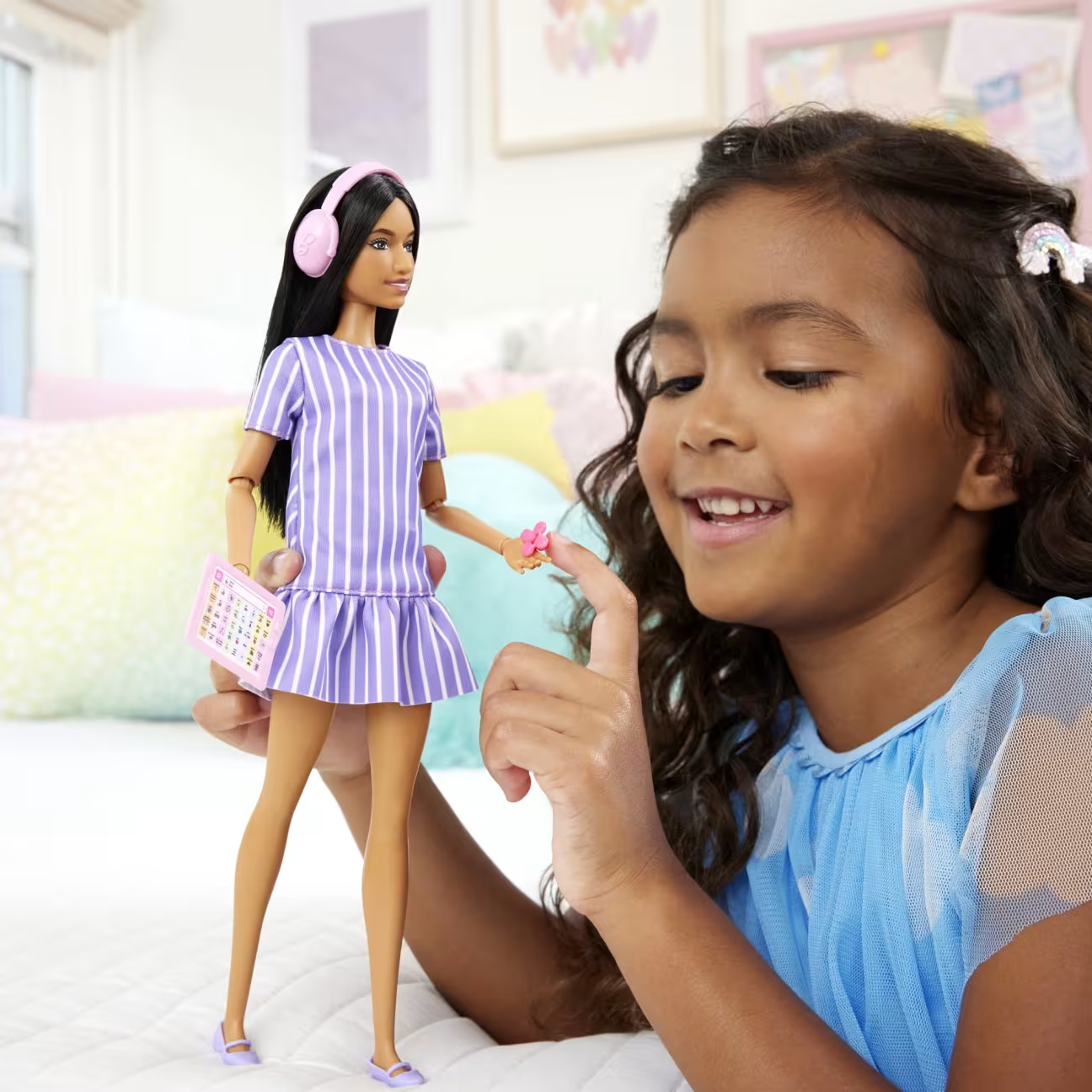
The First Autistic Barbie Doll Designed with and for the Autistic Community
At a Glance:
- Mattel has introduced its first autistic Barbie doll as part of the Barbie Fashionistas line, developed in collaboration with the autistic community.
- This doll included thoughtful design and sensory-aware accessories meant to reflect how some autistic children experience the world.
- The release aims to foster representation and inclusivity in play, helping special needs kids see themselves in an iconic toy.
- The doll is already available online and in select brick-and-mortar retailers.
In a major milestone for inclusive toys, Mattel has released its first Barbie doll representing autism, created in partnership with the Autistic Self-Advocacy Network (ASAN), a nonprofit organization run for and by people with autism.
This autistic Barbie isn’t just another toy. She was intentionally crafted to include features that many autistic children and families may recognize and relate to. When dolls and toys reflect a range of abilities, sensory needs, and ways of interacting with the world, they do more than entertain: they validate, empower, and open the door to empathy.
Psst… Check Out The First-Ever Barbie Doll with Type 1 Diabetes
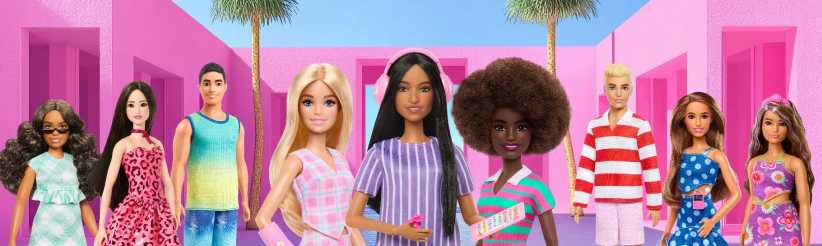
In a nutshell, it’s a Barbie that reflects real-life experiences and shows how some autistic people process the world. This includes:
- Articulated elbows and wrists, to allow natural gestures like stimming.
- A slightly averted eye gaze, which can mirror how some children avoid direct eye contact.
- Sensory-friendly, comfy clothing, like loose-fitting dresses and flat shoes.
- Accessories like a fidget spinner, noise-cancelling headphones, and a tablet, to support communication and sensory regulation.
These thoughtful touches help make playtime feel seen and understood, not just for fun—and they do reflect meaningful input from autistic advocates throughout the design process.
What It Means for Special Needs Families
For families of children with autism, representation isn’t just symbolic—it’s affirming. Being able to see one’s experiences, your own kid at that, reflected in toys helps build confidence and a sense of belonging. It’s a conveyed message for special needs families and caregivers: your child’s life journey matters, and their story deserves to be seen. Many parents and advocates say this is a warm, encouraging step forward for inclusion in kids’ playthings, especially in a world where toys often shape how children see themselves and others.
After all, playtime is one of the first ways kids learn about their very own characteristics without feeling self-conscious about it. Whether your kid is non-verbal, sensory-sensitive, or simply looking for a doll that feels a little closer to home, this autistic Barbie offers a meaningful, empowering option for them—one that celebrates diversity while normalizing differences.
Where to Find Mattel’s First Autistic Barbie Doll
The new autistic Barbie, with an accessible price point, is already making her way to consumers: she’s available now at Mattel’s online shop and major retailers like Target. It’s also expected to be sold at other national brick-and-mortar and online stores, like Walmart and Amazon, in the coming months.
Psst… Check Out 5 Autism Books That Are Perfect for the Family Library